
Call us now :07317168935
 Send Inquiry
 Send Inquiry
Media Converter
Price 90 INR/ Piece
MOQ : 10 Pieces
Media Converter Specification
- Network Device
- Yes
- Operating Temperature
- 0C to 50C
- Power Supply
- External Adapter, AC 100-240V, 50/60Hz
- Device Type
- Media Converter
- Dimension (L*W*H)
- 94mm x 71mm x 26mm
- Frequency
- 50/60 Hz
- Interface Type
- RJ45, SFP
- Power Consumption
- < 5W
- Usage & Applications
- Converts Ethernet signals between copper and fiber networks, suitable for enterprise, campus, and telecom applications
- Weight
- Approx. 180g
- Port
- 1 x 10/100/1000Mbps RJ45 port, 1 x 1000Mbps SFP port
- Features
- Auto MDI/MDIX, LED status indicators, Plug & Play, IEEE 802.3ab/z compliant
- IP Routing
- No
- Remote Control
- Yes
- Number Of Ports/Pins
- 2 Ports
- Connectivity Type
- Wired
- Cable Length
- Up to 100 meters on Ethernet; SFP module dependent for fiber
- Chassis Type
- Standalone
- Safety Certifications
- CE, FCC, RoHS
- Standards Compliance
- IEEE 802.3ab (Gigabit Ethernet), IEEE 802.3z (Fiber)
- Transmission Distance
- Depends on SFP module, up to 20km with single-mode fiber
- Humidity
- 5%~90% non-condensing
- Storage Temperature
- -40°C to 70°C
- Fiber Mode Supported
- Single-mode and Multi-mode (with appropriate SFP module)
Media Converter Trade Information
- Minimum Order Quantity
- 10 Pieces
- Supply Ability
- 5000 Pieces Per Month
- Delivery Time
- 2-4 Days
About Media Converter
Backed by a team of experienced professionals, we are able to provide top quality gamut of Media Converter. This converter has a wide variety of protocols, data rates and media types to create a more reliable and cost-effective network. Over and above that, Media Converter used to link fiber optic cable to twisted pair for supporting ethernet-compatible device.
Specification
| Network Speed | 6x2x6x |
| Brand | Pioneer |
| Buffer Size | 4 GB |
| Enclosure Type | External |
| Interface | USB 3.0 |
Flexible Fiber Connectivity for Modern Networks
This media converter supplies seamless transitions between copper and fiber networks, accommodating single-mode and multi-mode fibers. With SFP module flexibility, it meets diverse transmission requirementsenabling conversions up to 20km where needed. Its robust design, external power supply, and auto configuration features ensure adaptability across different infrastructures and use cases.
Simple Installation and Plug-and-Play Operation
Designed for hassle-free deployment, this converter requires no software installation or configuration. Just connect Ethernet and SFP modules, power up, and the device automatically adapts for immediate operation. Auto MDI/MDIX and intuitive LED indicators further support straightforward integration and ongoing network management.
FAQs of Media Converter:
Q: How do I install and set up this media converter?
A: Installation is straightforward: insert the correct SFP module for your fiber type, connect your network cables to the RJ45 and SFP ports, then plug the device into its AC power adapter. The plug-and-play design and auto MDI/MDIX ensure immediate functionality without extra software or configuration.Q: What kinds of fiber optic connections does this media converter support?
A: This converter accommodates both single-mode and multi-mode fiber, as long as you use the appropriate SFP module. Transmission distances vary based on the selected module, supporting up to 20km with single-mode fiber.Q: Where can this standalone media converter be deployed?
A: Its ideal for enterprise, campus, and telecom applications where reliable, high-speed connections between copper and fiber networks are neededwhether for extending LAN reach, bridging network segments, or upgrading infrastructure.Q: When should I use a standalone media converter instead of a chassis-based model?
A: Standalone converters are best suited for single-point or smaller deployments where only a few conversions are needed. They are compact, easy to install, and cost-effective for distributed network environments.Q: What is involved in switching between different fiber transmission distances?
A: To change your transmission distance, simply swap the installed SFP module for one that matches your fiber type (single-mode or multi-mode) and required range. No additional configuration is needed thanks to the devices flexible design.Q: What benefits does this media converter provide for my network?
A: It enables network extension, increases adaptability between copper and fiber segments, and ensures reliable performance in harsh conditions. Compliance with IEEE standards, low power consumption, and certifications (CE, FCC, RoHS) further enhance its value.Q: How can I monitor the operational status of the media converter?
A: LED status indicators are situated on the unit to provide real-time updates on power, network connectivity, and data transmission, allowing for quick troubleshooting and status checks.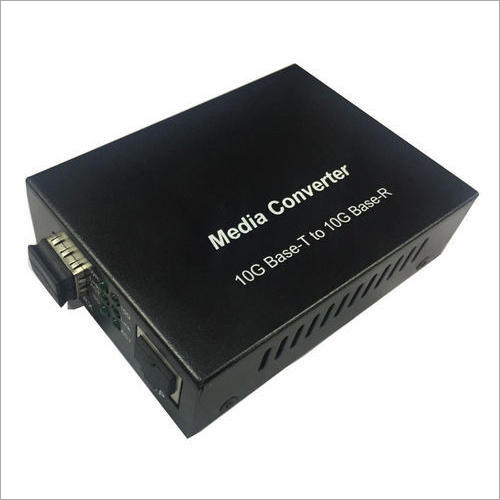
Tell us about your requirement

Price:
Quantity
Select Unit
- 50
- 100
- 200
- 250
- 500
- 1000+
Additional detail
Mobile number
Email

More Products in Networking Devices Category
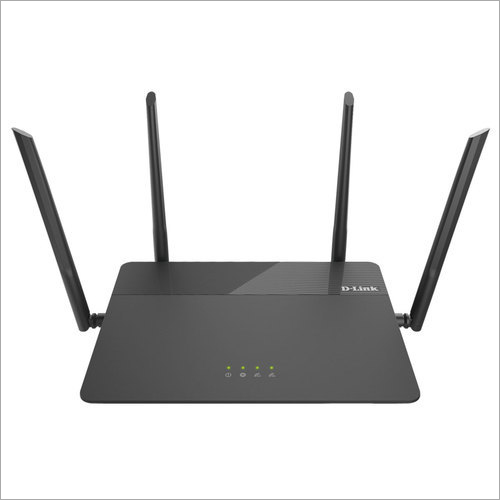
D-Link Wi-Fi Router
Price 90 INR / Piece
Minimum Order Quantity : 10 Pieces
Dimension (L*W*H) : 198 mm x 148 mm x 36 mm
Interface Type : 10/100BASETX Fast Ethernet
Frequency : 2.4 GHz
Network Device : Other, WiFi Router
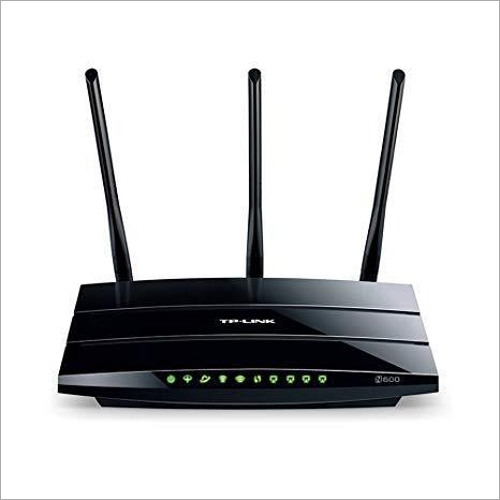
TP-Link Wireless Router
Price 90 INR / Piece
Minimum Order Quantity : 10 Pieces
Dimension (L*W*H) : 182 x 129 x 35 mm
Interface Type : Ethernet, Wireless IEEE 802.11b/g/n
Frequency : 2.4 GHz
Network Device : Other, TPLink Wireless Router
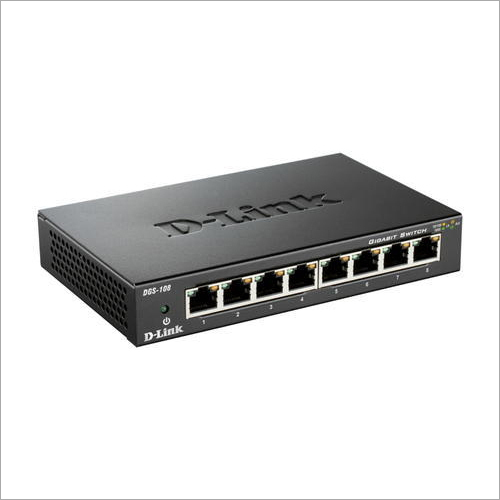
Dlink Gigabit Switch
Price 90 INR / Piece
Minimum Order Quantity : 10 Pieces
Dimension (L*W*H) : 171 x 98 x 28 mm
Interface Type : RJ45 Ethernet
Frequency : 50/60Hz
Network Device : Other, Gigabit Ethernet Switch
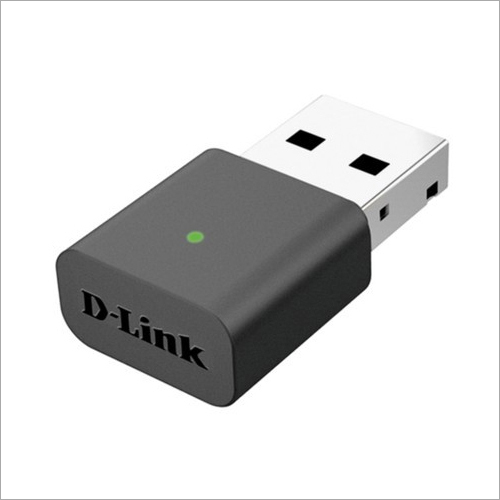
Dlink Wifi USB Adapter
Price 90 INR / Piece
Minimum Order Quantity : 10 Pieces
Dimension (L*W*H) : 37 x 18 x 8 mm (approx)
Interface Type : USB 2.0/1.1
Frequency : 2.4 GHz
Network Device : Other, WiFi USB Adapter

We Deal Only in West Bengal and Eastern Region of India

 Send Inquiry
Our Products

5, Princep Street, Opposite - Hotel Minerva, Ground Floor, Kolkata - 700072, West Bengal, India

Mr Vikash Minda
(Owner)
Mobile :07317168935
 Send Inquiry
 Send SMS
 Call Me Free
Developed and Managed by Infocom Network Private Limited.
